

What benefits will Flowsonic provide?
This post outlines the practical benefits of non-contact ultrasonic microplastic separation in industrial water systems. By capturing particles conventional screens miss, it can reduce clogging and downtime, lower RO membrane fouling and chemical cleaning, and provide auditable performance data for compliance and ESG. The focus is simple: efficiency, reliability, and cost control.
Yihang Zhang
2/15/20263 min read
Why microplastics removal becomes a business problem rather than only a sustainability issue
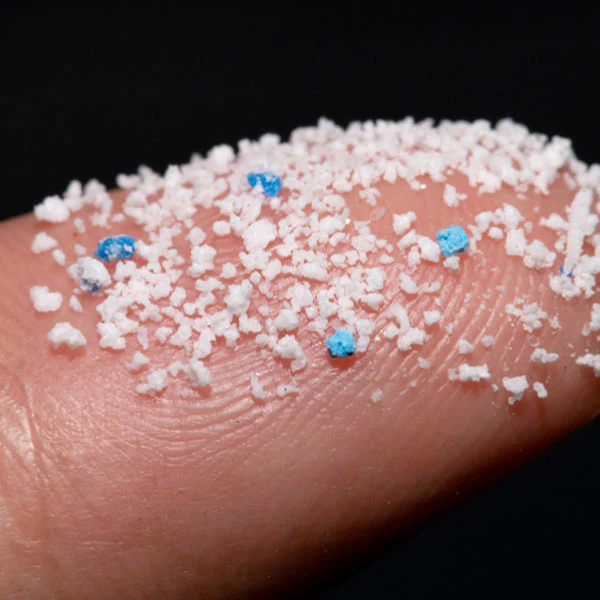
If you manage a textile plant or a laundry that reuses water, you know the main problem: small particles build up and clog your filters. This stops your production and costs you time. If you use reverse osmosis (RO), it is even more difficult. The membranes get dirty, which means you must use more chemicals and pay for extra maintenance.
A typical factory can release 1 billion microplastics every day. This costs up to €64k every year in operating expenses. This is a real financial loss and a risk to your daily work.
Our solution is simple. We catch the microplastics exactly where they are created. By removing them early, we stop them from clogging your machines or damaging your expensive filters. This keeps your production running and saves you money.
WHAT YOU GET IN PRACTICE
Capture the particles others miss
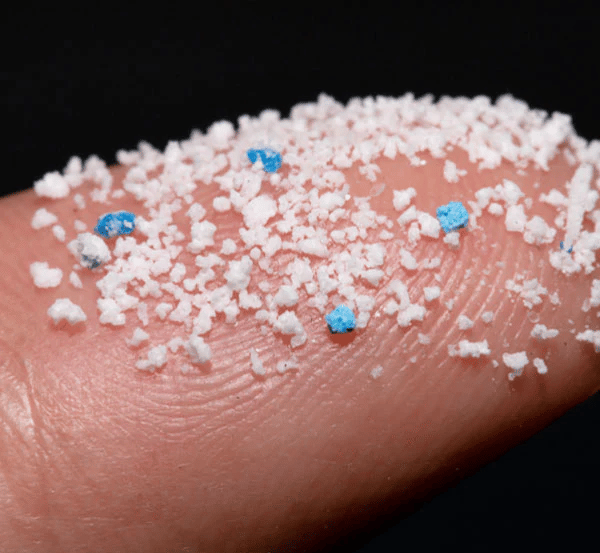
Standard wastewater systems often struggle with "middle-sized" particles. These particles are small enough to slip through screens, but they are large enough to cause big problems when they build up.
Our unit is built to solve this. We target microplastics or microfibers in the 1–5 mm range, such as plastic pellets and powders (like PET, PP, or LDPE). Catching these particles at the beginning makes a huge difference. It protects your equipment and keeps your entire production line running smoothly.
Lower maintenance and downtime by reducing clogging
Filters and membranes all face the same problem: clogging. When small particles build up, the pressure drops and you must clean the system more often. Soon, maintenance starts to control your daily schedule.
Our system is different. We use ultrasonic separation, which does not require physical contact. This means there are no filters or cartridges to get blocked.
In simple terms: if there are no parts to clog, there are fewer unplanned stops. This saves you a lot of time and money on maintenance, especially when your system is working hard.
RO membrane fouling and chemical cleaning frequency
Many facilities end up paying twice for the same problem. First, they pay for filter parts and manual labor. Then, they pay again when their RO membranes get dirty and need expensive chemical cleaning.
By removing small microplastics early, you reduce the load on your RO system. This helps you clean with chemicals less often and makes your membranes last much longer. In short: you save money and protect your most expensive equipment.
Energy-efficient separation without adding pressure-heavy complexity
Some systems use high-pressure pumps and membranes to catch small particles. This often uses a lot of electricity and makes the system very complicated.
Our ultrasound-based system is designed to work without these high-pressure membranes. This helps you keep your energy use low and your system simple. It is a more efficient way to protect your production line without adding extra stress to your facility.
Stronger compliance and reuse confidence
Compliance is not just about having a system; it is about proving that the system works. Sustainability teams need clear data to support their audits and certifications.
That is why measurable performance is so important. Our system targets a capture efficiency of over 70%. This makes it easy to show your progress with real numbers instead of just "thinking" it is better.
Beyond the audits, the financial rules are also changing. New laws often follow a "polluter pays" rule. If microplastics leave your factory in the wastewater, your company might be responsible for the cost. By catching these particles early, you reduce your legal risks and protect your budget from future fines.
What this means for operators, sustainability teams, and CFOs
Operations managers get fewer clogs, fewer interventions, and more predictable uptime.
Sustainability managers get auditable metrics for reporting and confidence that reuse quality is protected.
CFOs get a clearer cost story: fewer consumables, less downtime, lower chemical cleaning burden, and more predictable OPEX.



Contact
Get in touch to support us.
SUBSCRIBE
info@flowsonicfiltration.co.uk
© 2026. All rights reserved.

