
Microplastics: The Invisible Threat in Our Water, Food, and Bodies
This post reveals the startling reality of how microplastics have moved from the ocean and sea into the food people consume, resulting in microplastics in humans at the rate of one credit card per week. Explore how industrial waste and failed filtration systems allow microplastics in fish and water to enter our bloodstream and impact our long-term health.
Emil Huseynli
2/12/20266 min read
Why are Microplastics in Humans Affecting Us?
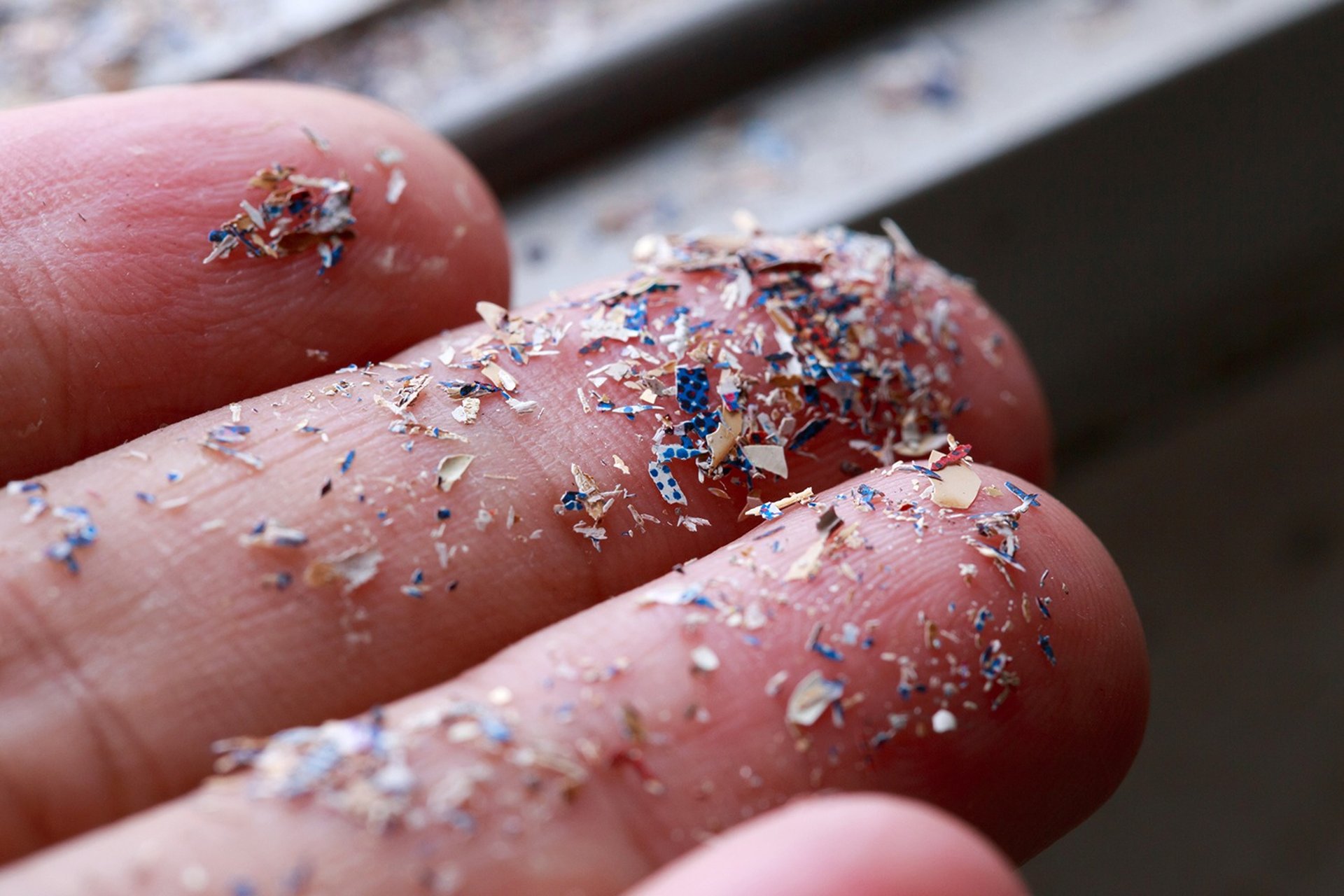
When we talk about plastic pollution, we usually picture the things we can see, such as a stray water bottle on the side of the road or a plastic bag caught in a tree. But the most concerning part of the plastic crisis is actually what we can't see. Over time, the plastic we use doesn't just disappear; it breaks down into tiny, microscopic shards known as microplastics. These particles are smaller than a grain of rice, and they are everywhere. They are the dust of our modern world, created when the sun and the waves wear down larger trash, or shed directly from our lives, like the invisible synthetic fibers that come off your favorite gym leggings in the wash or the tiny scrubbing beads in a tube of exfoliating face soap.
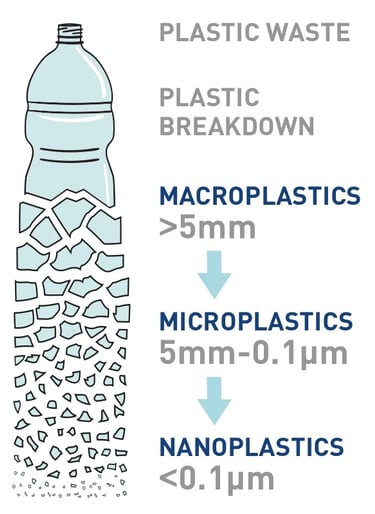
Because these particles are so small, they have quietly infiltrated the very foundation of our environment, leading to a massive accumulation of microplastics in ocean and sea ecosystems. They aren't just floating in the water; they are being eaten by the smallest creatures at the bottom of the food chain, like plankton and shrimp. From there, the plastic begins a journey upward. When a fish eats those smaller organisms, it absorbs the plastic they carry. By the time that microplastics in fish reach your dinner plate, the seafood has become a "Trojan horse," carrying a hidden cargo of synthetic debris.
This isn't just a matter of having a bit of "trash" in our systems; it’s a biological intrusion. Once inside us, microplastics in the food we consume don't just sit in our stomachs. Because they are so tiny, they can actually pass through the natural defenses of our digestive system and enter our internal organs. They move through different phases of impact: first, they act as physical irritants in our gut; next, they can leach industrial chemicals used to make the plastic in the first place; and finally, the smallest particles can even enter our bloodstream. It is a slow, silent process where the boundaries between the synthetic world and our own bodies are beginning to blur.
The real danger of microplastics lies in their ability to go where they don't belong. Think of your body as a high-security building with specific checkpoints. Normally, your gut and lungs act as filters to keep out foreign objects. However, these particles are so small—some even reaching the "nano" scale—that they can essentially sneak past these guards. Once they cross into your bloodstream, they are carried to every corner of your body.
Research into microplastics in humans has found them in the lungs, the liver, and even the placenta of unborn babies. Because our bodies aren't
We aren't just living in a world filled with plastic; we are starting to eat, drink, and breathe the debris of our own inventions.
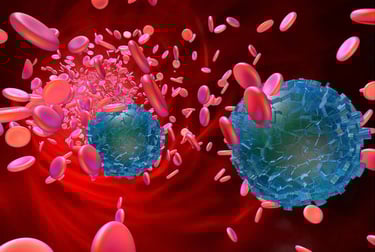
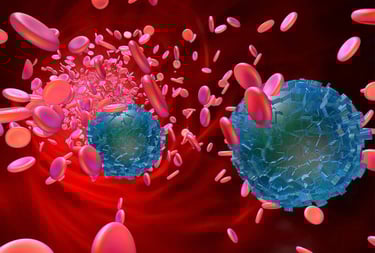
designed to break down plastic, these particles can cause long-term inflammation or interfere with our hormones. They essentially "lie" to your organs, disrupting natural chemical signals and causing the body to remain in a state of constant, low-level alarm.
Living with this much plastic inside us is a form of biological friction. These particles have been found embedded in the delicate tissues of the human heart and the deep recesses of our lungs. The immune system tries—and fails—to attack these indestructible invaders, leading to chronic cellular stress. We are effectively living through a massive, unplanned biological experiment, where the "results" are the grams of plastic lodged in our veins.
The Industrial "Firehose"
While we often focus on our own recycling habits, the vast majority of this pollution comes from a massive industrial scale. Factories, textile mills, and tire manufacturers act as the primary engines of this crisis, pumping out synthetic waste at an unstoppable pace. Every year, industrial activities are responsible for releasing millions of tons of plastic into the environment. To put that in perspective, we are essentially dumping the weight of a full garbage truck into the water every single minute of every single day.
This industrial discharge doesn't just sit in the water; it creates a landscape of suffering for wildlife and ecosystems. As these chemicals and fibers saturate our waterways, they poison the very habitats that sustain life. Small aquatic creatures are often the first to suffer, their digestive systems becoming physically blocked by synthetic fibers, leading to starvation and death. This "invisible firehose" of waste ensures that even the most remote corners of the planet are now contaminated with the building blocks of our modern convenience.
The sheer scale of this production means that we are constantly losing ground. For every plastic bottle we recycle, industrial facilities are flushing billions of fresh micro-fibers and chemical byproducts into the sea. This creates a staggering amount of invisible waste that enters our water systems long before it ever reaches a consumer. We are forcing the natural world to absorb a volume of synthetic material that it has no biological way to process, turning our rivers into a toxic soup.
The Problem with Current Filtration
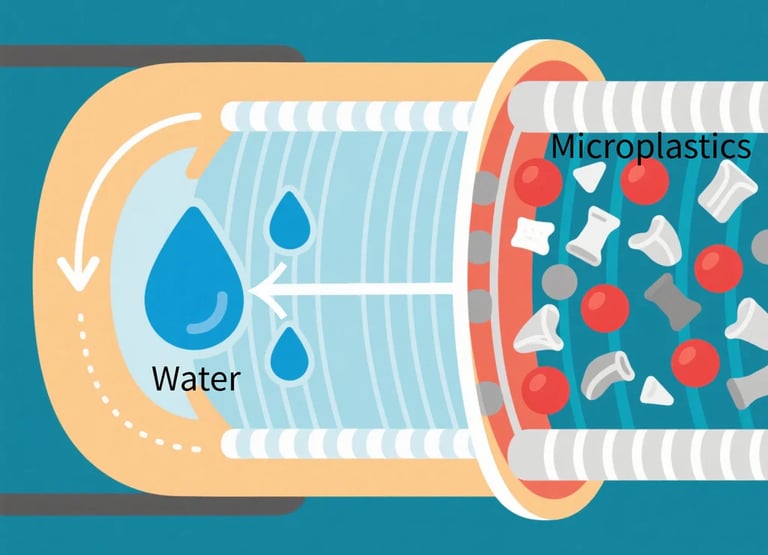
You might wonder why our water treatment plants don't just filter this out, but the truth is that most of our infrastructure was built to handle organic waste, like food or sewage, not microscopic plastic dust. These facilities are trying to catch smoke with a fishing net. Even a plant that is 99% effective at cleaning water is still failing when you consider the scale. If a city processes 100 million gallons of water a day, that remaining 1% of "unfiltered" water still contains billions of microplastic particles that flow straight into our rivers and lakes.
The failure of filtration leads to a silent, persistent suffering within our environment. Because these particles are not removed, they become permanent residents in our local ecosystems. They act as "chemical magnets," soaking up pesticides and heavy metals from the water and concentrating them into tiny, toxic pills. When these are released back into the wild, they fundamentally alter the health of every living thing that relies on that water source, creating a cycle of toxicity that is nearly impossible to break.
To make matters worse, the plastic that is caught doesn't just disappear. It ends up in "sewage sludge," a thick byproduct of the cleaning process that is often spread on farm fields as fertilizer. This creates a tragic loop where the plastic goes from the factory to the water, to the soil, and eventually deep into the roots of our crops. This ensures that microplastics in fthe ood people consume are present even in organic produce, washing back into our lives in a never-ending cycle that bypasses every safety measure we have in place.
How Much is Already in Our System?
The "balance" of microplastics in humans is much higher than most people realize, and the physical toll is beginning to show. Current research estimates that the average person consumes about 5 grams of plastic every week. To visualize that, it's roughly the same amount of plastic found in a standard credit card. Every seven days, we are taking in a credit card's worth of synthetic material through the water we drink, the microplastics in fish we eat, and the very air we breathe.
Over a year, this adds up to over 250 grams of plastic—the weight of a large bowl of cereal made entirely of synthetic shards. Over a lifetime, this adds up to several pounds of plastic that our bodies are forced to carry. These particles don't just sit idle; they migrate through our systems, settling into tissues where they may remain for decades because the human body has no enzyme or process to dissolve them.
Perhaps the most heartbreaking aspect of this accumulation is its impact on the next generation. Microplastics have been detected in the placenta and even in the first stools of newborn babies. This means that before a child has even taken their first breath, they are already burdened with the synthetic waste of the previous generation. We are effectively living in a world where plastic has moved from our store shelves into our very DNA and the future of our children.
Contact
Get in touch to support us.
SUBSCRIBE
info@flowsonicfiltration.co.uk
© 2026. All rights reserved.

